For industrial safety managers and procurement teams, it is crucial to understand the difference between fall arrest and fall protection systms. By which they can evaluate ways to protect personnel working at height and choose the right equipment that suits their particular operations. At the same time, they can influencing safety planning, equipment selection, and compliance with regional regulations. Companies sourcing reliable solutions for minimizing risk and maintain safer worksites often turn to the top industrial equipment suppliers Saudi Arabia, as they ensure high-quality products along with expert guidance.
Key Takeaways
- Knowing the difference between fall arrest and fall protection is critical for workplace safety planning and equipment selection.
- Fall protection prevents falls before they occur using barriers, nets, and safe work practices.
- Fall arrest systems stop a fall in progress and minimize injury using harnesses, lanyards, and anchor points.
- Fall protection and fall arrest serve different purposes but are often used together for maximum safety.
- Choosing the right system reduces accidents at project sites, ensures regulatory compliance, and protects workers at height.
- For effective fall protection and fall arrest solutions, reliable sourcing of equipment from reputable suppliers is essential.
What Is Fall Protection?
Fall protection refers to methods and equipment designed to prevent workers from falling off elevated surfaces or into dangerous zones. The goal of fall protection systems is to eliminate the possibility of a fall occurring in the first place, by creating physical barriers or work practices that reduce exposure to height hazards.
Common fall protection solutions include guardrails, safety nets, and personal protective equipment that restrict workers from entering fall risk areas. These systems are most effective when combined with proper worker training, hazard assessment, and routine equipment inspection.
Industries can rely on certified fall protection equipment suppliers in Saudi Arabia for essential support, providing anchors, harnesses, and lifelines that integrate seamlessly with workplace layouts.
What Is a Fall Arrest System?
A fall arrest system is a specific type of safety setup that stops a worker’s fall in progress and limits the forces applied to the body during the fall. Unlike general fall protection that aims to prevent falls, fall arrest systems allow you to perform work at height but intervene during an accidental fall.
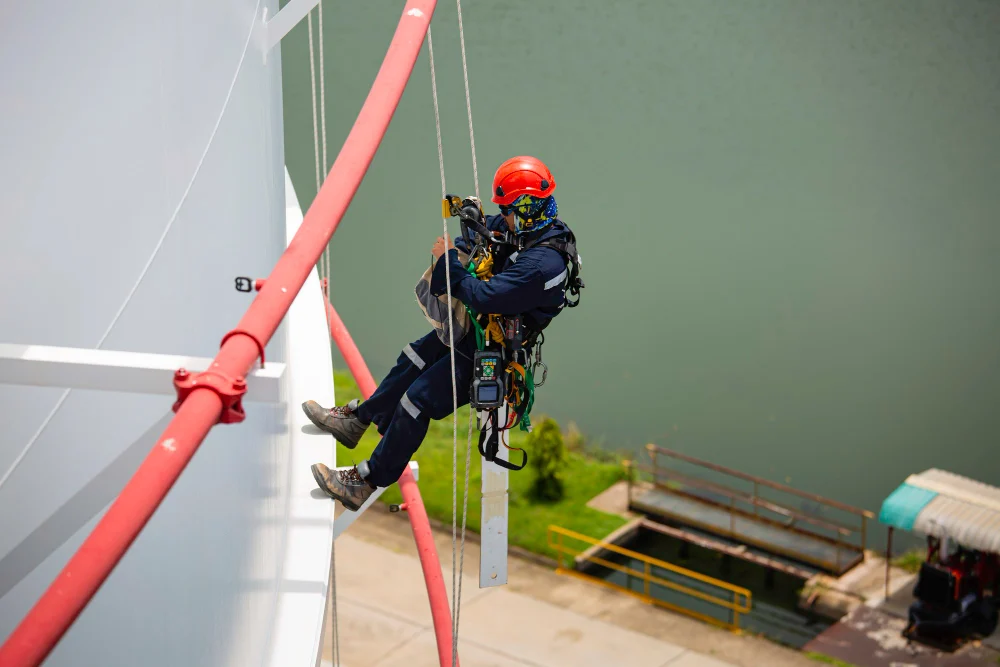
Fall arrest systems typically involve full-body harnesses, energy absorbers, shock-absorbing lanyards, and secure anchor points that activate when a fall occurs. These components work together to slow and stop the worker’s descent safely.
For high-quality components such as harnesses and lanyards, industrial tools suppliers in Saudi Arabia are among the top providers.
Key Difference Between Fall Arrest and Fall Protection
The main difference between fall arrest and fall protection lies in purpose and timing. Fall protection focuses on preventing falls before they happen. It creates safe conditions that reduce the likelihood of a fall. Fall arrest systems come into play only after a fall begins and work to stop it safely.
Here’s how they differ in application:
- Goal: Fall protection strives to avoid any fall event, while fall arrest activates after an unplanned fall starts.
- Equipment type: Protection equipment may include barriers and warning systems. Arrest systems include personal gear like harnesses and energy absorbers.
- Use cases: Fall protection is ideal where prevention measures are practical. Fall arrest is necessary where workers must be exposed to height risks for essential tasks.
Understanding these differences will shape your purchasing decisions and safety planning. For insights into reputable industrial safety gear, it is essential to choose trusted industrial equipment suppliers in Saudi Arabia.

Components of Fall Protection Systems
Fall protection systems use several coordinated parts to reduce fall risk:
- Guardrails and Barriers: Fixed structures that block access to fall hazards.
- Safety Nets: Positioned below work areas to catch tools or personnel.
- Warning Lines: Visual markers that indicate unsafe zones without physical restriction.
- Work Positioning Equipment: Devices that allow workers to maintain stability without the risk of falling.
Selecting the right combination of these components depends on your work environment, task duration, and regulatory requirements.
The top fall protection equipment suppliers make it easier for industries to source a wide range of reliable fall protection components and accessories all across Saudi Arabia.
Components of a Fall Arrest System
Fall arrest systems involve specific gear designed for performance in emergencies:
- Full-Body Harness: Distributes fall forces across the body and keeps the worker upright.
- Lanyards and Shock Absorbers: Connect the harness to anchor points and reduce impact forces.
- Anchorage Connectors: Secure attachment points engineered to support the loads generated during a fall.
- Self-Retracting Lifelines: Devices that extend and retract as a worker moves, locking instantly if a fall starts.
Using strong, reliable components is essential to prevent serious injuries in project sites. Partnering with reputable lifting equipment suppliers in Saudi Arabia ensures your fall arrest systems perform safely and effectively.
What Is a Fall Arrester and How Does It Work?
A fall arrester is a device used within a fall arrest system that quickly engages upon detecting a rapid descent. It allows the worker to move freely along a safety line during normal work activity and stops movement instantly when a fall is detected.
There are different types of fall arresters. Some are manually moved along a fixed line, while others retract automatically as the worker moves. The arrester’s locking mechanism activates under sudden movement, minimizing the distance and force of the fall.
how fall arresters function is essential for designing safeUnderstanding work protocols and selecting products that match your operational needs. As a trusted dealer of safety systems in Saudi Arabia, Wellguard SA supports businesses with dependable fall arrest solutions that align with real-world site requirements and safety standards.
When Should You Use Fall Arrest vs Fall Protection?
Choosing between fall arrest and fall protection depends on the specific risks of your worksite:
- Use fall protection when work areas can be secured with barriers or netting that reduce the risk of falling.
- Use fall arrest when tasks require working at heights where barriers are impractical. For example, maintenance work on tall structures often relies on arrest systems because workers must be positioned at varying heights.
- In many cases, a combination of both systems will provide the strongest safety framework.
Wellguard is a trusted dealer of fall protection equipment and also provides practical assistance in selecting the right systems and supporting their proper installation on site. To discuss which solution matches your project requirements, you can contact us.