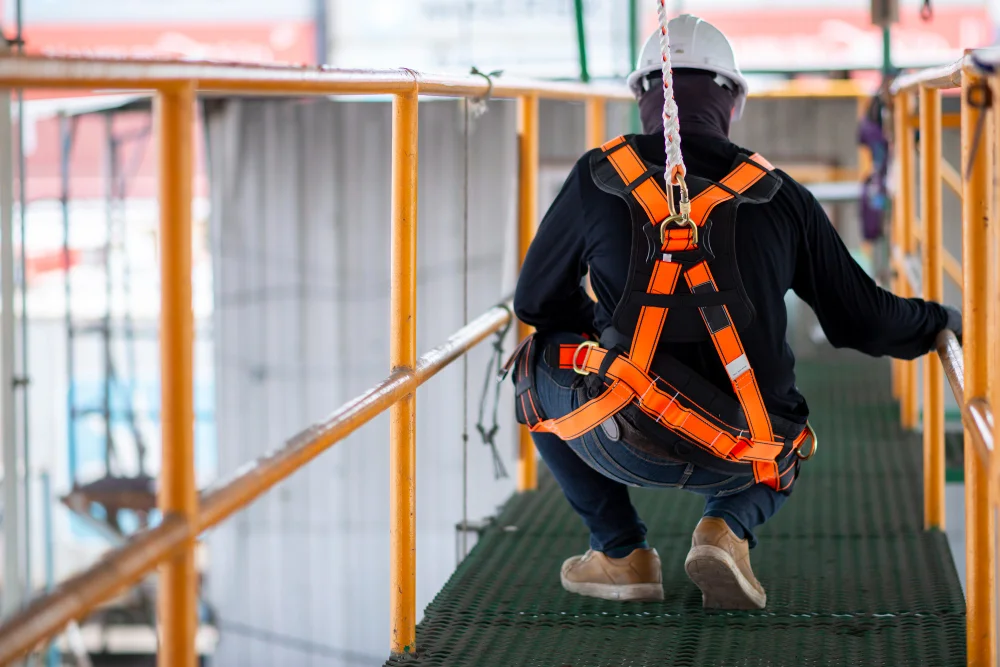
Fall protection systems play a critical role in reducing serious workplace accidents in industries where working at height is part of daily operations. In sectors like construction, oil & gas, warehousing, and infrastructure maintenance, even a small lapse in safety can lead to major injuries or project delays.
A structured approach to fall protection systems helps organizations control risks through the right combination of equipment, procedures, and training. When supported with proper planning and reliable sourcing of safety equipment, workplaces can maintain safer operations and stronger compliance with industrial safety standards. To ensure quality that meets their operational needs, companies choose the best supplier after comparing the top industrial equipment suppliers in Saudi Arabia.
Key Takeaways
- Fall risks remain one of the leading causes of workplace injuries in industrial
environments - Proper use of fall protection systems reduces fatalities and improves site safety compliance
- Active and passive safety setups work together to control different fall hazards
- Regular inspection and training are essential to maintain equipment effectiveness
- A structured approach using a fall protection checklist helps reduce oversight on-site
What is Fall Protection?
Fall protection systems are safety arrangements designed to prevent workers from falling or to reduce injury if a fall occurs. These systems are widely used in construction, maintenance, oil & gas, warehousing, and other high-risk industrial environments where elevated work is common.
Organizations rely on structured safety planning and equipment sourcing through trusted providers like Wellguard SA to ensure safe working conditions in demanding environments. The goal is to maintain safe access, prevent accidental slips, and reduce exposure to height-related hazards.
Why Fall Protection is Important
Fall incidents often lead to severe injuries, downtime, and financial loss. Understanding what fall protection is helps organizations reduce avoidable risks through better planning and equipment use. It also supports compliance with workplace safety standards and reduces liability concerns.
A clear comparison between prevention and protection approaches is essential. Resources that give clear insights, such as the difference between fall prevention & fall protection, and the difference between fall arrest and fall protection, help teams understand how layered safety strategies improve outcomes on site.
Industries That Require Fall Protection
Industries such as construction, oil & gas, logistics, manufacturing, and infrastructure maintenance depend heavily on elevated work platforms and scaffolding. In these environments, fall hazards are frequent and require structured safety measures.
Heavy-duty sectors often coordinate equipment and service needs through providers linked with heavy equipment rental agencies in Saudi Arabia to ensure operational safety during lifting and height-related tasks.
Types of Fall Protection Systems
Types of fall protection generally fall into two categories: active and passive systems. Each type plays a different role in controlling workplace risks and ensuring worker safety at height.
Active Fall Protection Systems
Active systems require user participation, such as harnesses, anchor points, and lifelines. These systems activate only when a fall occurs or when a worker connects to a safety line.
Selecting the right equipment often depends on reliable sourcing from providers like lifting equipment suppliers in Saudi Arabia, especially in environments where lifting and height work overlap.
Passive Fall Protection Systems
Passive systems work without user action. Guardrails, safety nets, and platform barriers are common examples. These systems continuously protect without needing worker engagement.
Companies often rely on suppliers referenced in guides like Best Tools Suppliers in Saudi Arabia to ensure that passive safety installations meet industrial standards and durability expectations.

Key Fall Protection Measures
Effective fall protection measures require structured planning and proper equipment selection.
One key measure is conducting a risk assessment before starting any elevated task. Equipment selection also plays a major role, and sourcing from trusted partners like industrial equipment suppliers in Saudi Arabia ensures reliability across different work conditions.
Another important measure includes ensuring compatibility between tools and safety systems. Poor equipment matching increases operational risks and reduces system efficiency. Hence, industries prefer reliable industrial tools suppliers in Saudi Arabia to meet their operational needs and quality requirements.
Training workers on correct usage is equally important. Without proper awareness, even advanced safety systems lose effectiveness. Regular maintenance schedules and choosing from the best tools suppliers in Saudi Arabia also help detect wear and tear early, preventing unexpected equipment failure during operations.
Fall Protection Checklist
A structured fall protection checklist helps ensure all safety steps are followed before work begins.
Inspection of harnesses, lanyards, and anchor points must be completed before each use. Equipment sourcing and verification can be supported through references like the top fall protection equipment suppliers, which help identify compliant and tested solutions.
Site readiness should also be checked, including surface stability and guardrail installation. Documentation of inspections ensures accountability and reduces compliance gaps during audits. Communication systems must be tested to ensure quick response during emergencies.
Fall Protection Safety Tips
Applying consistent fall protection safety tips reduces workplace incidents and improves operational discipline. Workers should always inspect personal protective equipment before use. Equipment selection guidance can be strengthened using insights from crane suppliers in Saudi Arabia, especially in projects involving lifting and elevation tasks.
Avoiding shortcuts during the installation of safety systems is critical. Even small deviations can create serious hazards at height. Clear marking of danger zones and restricted areas helps maintain awareness among workers operating nearby. Supervisors should enforce continuous monitoring during high-risk tasks.
Fall Protection Procedure in the Workplace
A structured fall protection procedure ensures safety steps are followed consistently across all job sites.
It begins with hazard identification, followed by selecting appropriate equipment and assigning trained personnel for the task. Proper coordination with suppliers, such as fall protection equipment suppliers in Saudi Arabia, helps ensure equipment availability and compliance with site requirements.
Choosing the Right Fall Protection Equipment Supplier in Saudi Arabia
Choosing the right supplier directly affects system reliability and worker safety. Companies should evaluate product quality, service support, and industry experience before selection.
Direct consultation and service coordination can be initiated through our contact us page to ensure the right safety solutions are deployed for specific project needs.